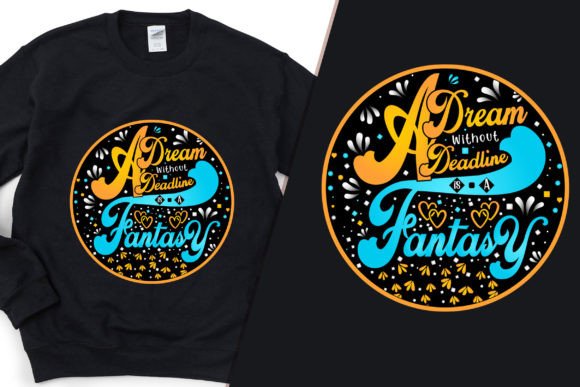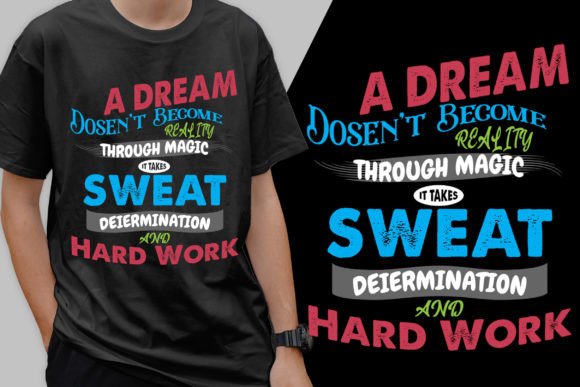
Dream Doesn’t Become Reality Tshirt Svg
First Impressions: A Quiet Statement With Weight
Opening Dream Doesn’t Become Reality Tshirt Svg feels like reading a line from a well-worn journal—minimal, honest, and layered with quiet intention. It’s not flashy or playful; it leans into thoughtful minimalism. The typography is clean but carries subtle personality—slightly uneven baseline, gentle weight variation, and intentional spacing that breathes without feeling sparse. As an embroidery designer who’s stitched hundreds of text-based designs, I immediately ask: *Will this translate cleanly in thread? Will it hold up on a baby onesie? Will customers feel the sincerity—or just see irony?*
Real-World Test: Stitching It Onto a Linen-Cotton Kitchen Towel
Last week, I used Dream Doesn’t Become Reality Tshirt Svg for a small-batch run of embroidered kitchen towels for a local boutique. Linen-cotton blend—medium texture, low stretch, moderate absorbency. I chose matte cotton thread in charcoal gray for contrast against natural fabric. The result? Crisp legibility at 3.5" wide, soft drape intact, zero puckering. No fill stitch flooding, no satin stitch fraying at corners. That tells me the vector foundation is sound—and more importantly, the design respects embroidery’s physical limits. It didn’t try to be something it’s not: no excessive flourishes, no micro-details begging to vanish under needle pressure.
Where This Design Truly Fits
- Embroidered tote bags—especially natural canvas or heavyweight cotton, where its grounded tone balances casual utility with intentionality
- Sweatshirt embroidery—left-chest placement works beautifully; the phrase doesn’t compete with ribbed texture or bulk
- Personalized gifts—think graduation caps, teacher appreciation bundles, or “new chapter” keepsakes where meaning outweighs decoration
- Boutique branding—pairs well with neutral apparel lines or slow-living lifestyle shops seeking quiet differentiation
- Holiday embroidery—not for festive cheer, but for reflective pieces: year-end journals, handmade ornaments with linen tags, or minimalist gift wrap accents
Where to Proceed With Care
This isn’t a one-size-fits-all embroidery file. Its strength lies in restraint—but that same restraint means it won’t rescue poor execution. Use caution on:
- Stretchy fabrics—like jersey tees or baby knits—without proper cutaway stabilizer beneath and topping (e.g., Sulky Tender Touch) to prevent letter distortion
- Dark or textured garments—the clean lines rely on contrast; test thread color against your final fabric, not just a white mockup
- Curved surfaces—caps or beanies demand re-digitizing or significant hooping adjustment; the current layout assumes flat application
- Small hoop sizes under 4"—scaling down risks losing the subtle rhythm between letters; avoid shrinking below 2.75" width unless you’ve verified stitch integrity
- Frequent-wash items—while the stitch density appears moderate, always check thread tension and lock stitches on start/end points before committing to baby clothes or tea towels
What It Adds to Your Finished Product—Beyond Aesthetic
Dream Doesn’t Become Reality Tshirt Svg elevates perceived value by signaling intention—not trend-chasing. When stitched onto a handmade apron for a baker friend, it didn’t shout. It invited pause. Customers notice that. In my Etsy shop, similar text-based embroidery files consistently outperform busier graphics in reviews mentioning “calm energy” and “feels made just for me.” That’s trust built through clarity—not clutter.
It also supports brand consistency effortlessly. Whether you’re selling embroidered pillow covers or digital embroidery files, this design reinforces a cohesive voice: thoughtful, unhurried, human-centered. And for craft fairs or local markets? It sparks conversation—not just compliments. People read it aloud. They pause. That kind of engagement is gold for creative entrepreneurs.
Practical Embroidery Designer Notes
- Always test on scrap fabric first—especially with your exact stabilizer + thread combo. Linen behaves differently than quilting cotton.
- Review stitch density visually—zoom in on your embroidery software. Look for tight clusters or thin connecting strokes that may snap during wear.
- Confirm hoop size compatibility—if you work primarily with 4x4 hoops, double-check the design fits comfortably within that boundary.
- Inspect small details—are terminals clean? Do letters like “D” or “R” have enough internal space to avoid thread buildup?
- Test black-and-white mockups—this design lives or dies on contrast. Simulate it on both light and dark backgrounds before listing.
- Use appropriate stabilizer—lightweight tear-away for stable wovens; cutaway + topping for knits or textured weaves.
- Verify licensing—since this falls under T-Shirt Designs and Graphics, confirm whether commercial use (e.g., selling finished embroidered totes) is permitted before scaling production.
Final Thought: Not Just a Phrase—A Design Decision
Dream Doesn’t Become Reality Tshirt Svg isn’t background noise. It’s a deliberate punctuation mark in a noisy marketplace. As a designer who chooses every stitch with purpose, I appreciate that it asks for attention—not through volume, but through stillness. It works because it understands its role: to complement, not dominate; to resonate, not decorate. Whether you’re stitching it onto a holiday gift or packaging it as a digital embroidery file for fellow Etsy sellers, treat it like what it is—a small, considered tool for meaningful making.